By Ken Dalecki
As prevalent as Trump Derangement Syndrome (TDS) is in our area, it is even worse in Europe. I returned Monday (June 29) from several weeks exploring family roots in northern Germany and was surprised at how nearly everyone I met has some degree of TDS.
Germans who learned I was from the U.S. were friendly and simply assumed that I shared their dismay at our unconventional "America First" President. Eye-rolling and head-shaking were common reactions to meeting an American. My family and I avoided political chit-chat, but folks we met often volunteered that they would not travel to the U.S. while Trump is in office due to some undefined concern for their safety. (We met one American at a church service in Hamburg who took pride in telling us she would not return to the U.S. until Trump is out of office.)
Anti-Trump media coverage in Europe is not only prevalent, it is virtually unopposed. I surfed TV channels in several cities and found CNN, BBC and Al Jazeera, but no Fox News or other conservate outlet. The constant criticism of Trump and everything he does helps explain the widespread TDS. Germans seem stunned at Trump's no-holds-barred tussling with the news media and his blunt assessment of politicians with whom he disagrees.
The cultural influence of America in Germany remains strong in spite of TDS. Dubbed U.S. TV shows are ubiquitous , especially crime series such as CSI and cartoon programs such as "The Simpsons." Logos for U.S. sport franchises are common on caps and clothing. Virtually everyone speaks some English, which is mandatory starting in fifth grade.
U.S. hosting of the World Cup soccer matches may have countered some TDS. Germans were impressed with the size of our host stadiums, the friendly reception players received, the fast-paced American lifestyle and the prevalence of air conditioning. Our visit coincided with a record-setting heat wave in Europe where air conditioning is far less common. Reporting on the heat "crisis" naturally sparked references to President Trump's "climate change denial."
Energy is much more expensive in Europe than the U.S., which helps explain the light auto traffic in their cities. Bus, rail and subway service are so prevalent that we cancelled plans to rent a car. Bicycle lanes are incorporated in sidewalks and roadways. Wind generators are everywhere. My observation suggested three or four out of every ten windmills were idle for one reason or another.
Germany has become far more diverse since my first visit in the 1980s, thanks largely to Chancellor Angela Merkle (2005-2021) who promoted an open-door policy on immigration from Turkey, the Middle East and North Africa. There is growing support for more restrictive policies, particularly in more conservate eastern Germany. One sign of growing nationalism is the number of drivers who prop the German flag from their car windows.
President Trump's demand that Germany and others in NATO pay their proportional share of the alliances' cost may contribute to TDS, although Russia's invasion of the Ukraine is a stark reminder of the danger posed by Vladimir Putin. Support for Germany's generous social welfare programs at the expense of national defense is a risk Germany and other European countries are having to confront.
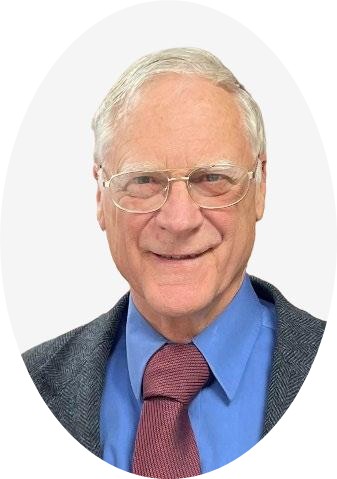 Ken Dalecki is a member of the Montgomery County Republican Party Executive Committee, Legislative District 20.